



Payment Processor Risk for Creator Platforms: How to Reduce It
Learn how to manage risk with adult payment processors, avoid payout freezes, and build a stable payment setup. This guide covers real issues, practical solutions, and how Scrile Connect helps you create a platform with flexible payment infrastructure.


adult payment processors
To reduce risk in adult payment processing, you need to treat payments as core infrastructure, not a plug-in. Work with adult payment processors that actually support your business model. Keep chargebacks under control and make refund logic clear. Set up compliance early: KYC, age checks, and moderation. Use more than one payment rail, including crypto as backup. The main idea: risk doesn’t disappear, but you can design around it.
You can be doing everything right on the surface. Traffic is growing, creators are active, users are paying. Then one morning payouts don’t arrive. Support says “under review.” A few days later, funds are still on hold. This is a familiar situation for platforms working with adult payment processors.
The adult segment sits in the high-risk category for a reason. Chargebacks are higher, subscriptions create disputes, and content policies are constantly checked. Processors react to that. They hold part of the revenue, delay settlements, or tighten conditions without much warning.
This article looks at what’s really behind those decisions and what you can do about it. Not theory, but the practical side: how risk is evaluated, where platforms usually fail, and how to set up payments so your income doesn’t depend on a single provider.
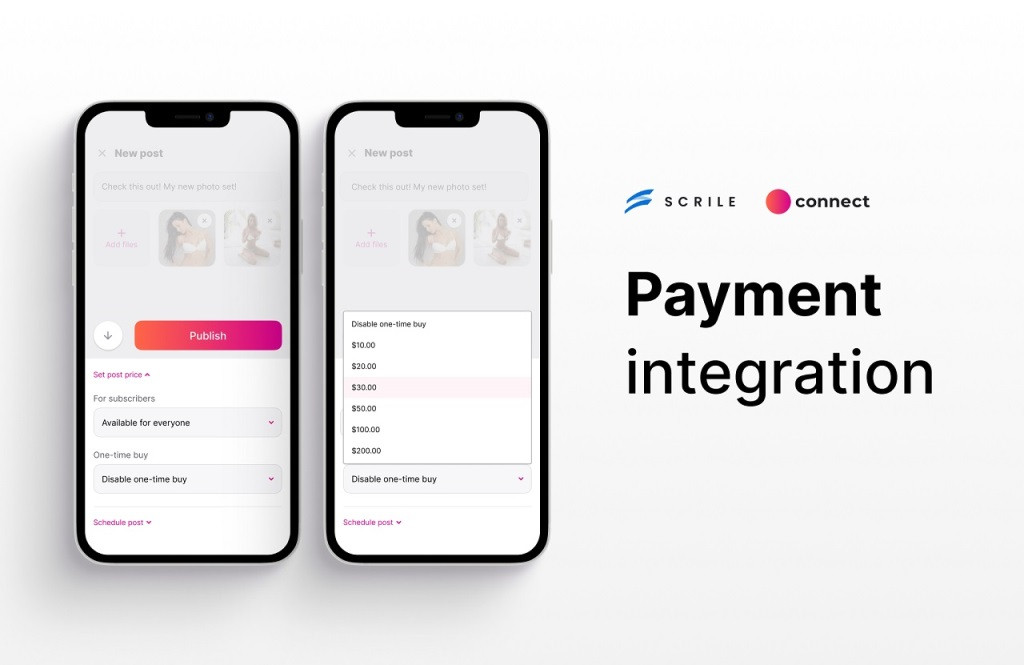
Why Creator and Adult Platforms Get Flagged

If you talk to anyone who has actually run an adult platform, the pattern is always the same. Things work fine for a while, then something shifts. Payments slow down, extra checks appear, or limits get tighter. This is how processors react to risk, and it has very little to do with how your product looks.
What they watch is pretty specific:
- Chargebacks going above normal levels
Subscriptions are the main trigger. Users forget they signed up, don’t recognize the billing name, or cancel through their bank instead of the platform. A small spike is enough to raise a flag. - Recurring billing patterns
From a business side it’s great. From a processor side it means ongoing exposure. Every future payment carries risk, not just the first one. - Adult content classification
It’s treated as a high-risk vertical by default. Not because of opinions, but because historically it brings more disputes and stricter rules from card networks. - Payments coming from many countries
More regions means more edge cases. Different banks, different rules, different fraud patterns.
That’s why platforms end up working with adult payment processors. Regular providers are built for safer categories. This one isn’t.
What “High-Risk” Actually Means in Practice
The term “high-risk” shows up in how your money behaves once payments start flowing. A typical adult payment processor builds in safeguards that shift control away from the platform. Part of your revenue is held, payouts arrive later than expected, and access to funds depends on how stable your risk profile looks over time.
“Many high-risk accounts require a rolling reserve… to cover potential chargebacks and disputes.”
— Stripe, High-risk merchant accounts explained
Once these conditions apply, the numbers start to look very different:
Monthly revenue: $100,000
Processing fees (~5%): −$5,000 → $95,000 remaining
Rolling reserve (10% from gross): −$10,000 → $85,000 theoretical balance
Payout delay: 14 days
→ at any moment, roughly half of that balance is still in the pipeline
→ usable cash ≈ $42,500
Now factor in obligations. If creators receive 60%:
$100,000 × 60% = $60,000 in payouts
Operational gap:
$60,000 owed − $42,500 available = −$17,500 shortfall
That difference has to be covered somewhere. Otherwise payouts slow down or stop, even though revenue is coming in.
This is only part of the picture. High-risk status also affects how stable your access to payments really is. Platforms can be moved into review mode, where payouts pause while the processor checks activity. In more serious cases, the balance can be held entirely until the review is complete. There isn’t always a clear timeline.
Conditions can also tighten as the platform grows. Reserve percentages may increase, payout delays may extend, and additional compliance checks can appear with little notice. If the risk profile changes too quickly, the processor may decide to stop working with the platform altogether. At that point, revenue doesn’t just slow down. It disappears until a new payment setup is in place.
Core Risks That Kill Platforms
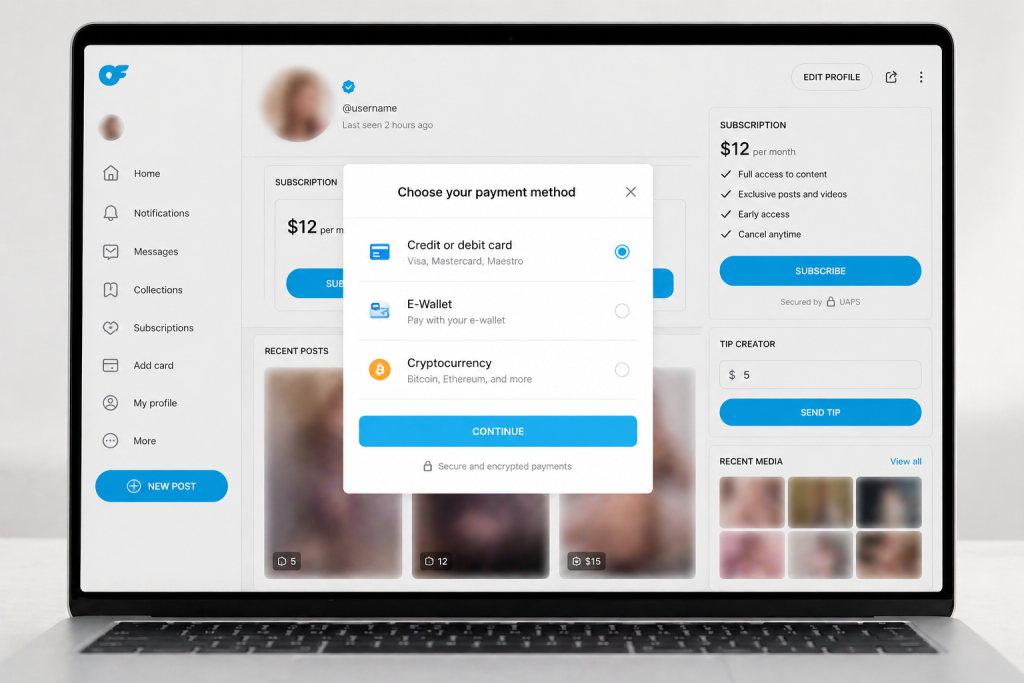
Payment issues rarely come from one mistake. They build up from different sides at once, and by the time they become visible, the platform is already under pressure. This is why teams in this space end up working with adult payment processors that are built to handle these patterns.
Financial Risks
The first layer is financial. Chargebacks sit at the center of it. Subscription-based content increases the chance of disputes, especially when billing descriptors are unclear or users forget recurring payments. Fraud adds another layer, from stolen cards to abusive transactions that pass initial checks.
Refund abuse is less obvious but just as damaging. Some users learn how to extract content and then reverse payments. Over time, this creates a pattern that processors monitor closely. Once thresholds are crossed, card networks can apply penalties, increase fees, or require stricter controls.
Platform Risks
The second layer is internal. Content violations, even isolated ones, can trigger broader reviews. Lack of moderation makes this worse, especially when platforms scale quickly. Unclear terms or weak policies leave room for disputes.
Performer verification is another sensitive area. Missing documentation or unclear consent records can lead to compliance issues. Processors expect platforms to have this under control, not react to it later.
Dependency Risk
The most dangerous risk is relying on a single payment provider. There are real cases where platforms lost monetization overnight after processors raised concerns about adult content. One example often referenced is Itch.io, which had to restrict NSFW content under pressure from payment providers.
When the payment channel disappears, traffic doesn’t matter. Revenue stops immediately, and recovery takes time.
How to Reduce Payment Risk Structurally
Payment risk becomes visible once volume grows. What looked stable at the beginning starts to behave differently under pressure. Processors react to patterns, not intentions, and platforms working with adult payment processors usually reach that point faster than expected.
Compliance Layer (non-negotiable)
Most issues begin here. If onboarding rules are applied inconsistently, it doesn’t take long for that to surface. Identity checks, age verification, and basic platform policies need to be handled the same way every time. It’s not about having documents somewhere in the system, but about being able to show a clear trail when required. Moderation plays into this as well. Platforms that filter risky content early tend to avoid larger reviews later.
Payment Architecture
A single provider might work at the start, but it creates a fragile setup. When something changes on their side, the impact is immediate. Platforms that grow past a certain point usually rethink this layer and spread transactions across different routes. Some keep a fallback ready, others separate flows by region or payment type. Even something as small as a billing descriptor can affect dispute rates if users don’t recognize the charge.
Chargeback Defense
Chargebacks don’t come from one reason, which is why handling them requires a mix of steps:
- additional verification for risky payments
- fast response to disputes
- clear billing and cancellation flow
When these elements work together, dispute levels stay manageable even as the platform scales.
Choosing the Right Payment Setup
There isn’t a single “best” option here. The setup depends on how your platform works, how fast it grows, and how much risk you can absorb. In adult payment processing, the wrong choice doesn’t just reduce efficiency. It can stop revenue completely.
Here’s how the main options compare in practice:
| Option | Risk Level | Control | Fees | Stability | Best for |
| Mainstream (Stripe/PayPal) | High | Low | Low | Unstable | Early MVP |
| High-risk providers | Medium | Medium | Higher | Stable | Scaling platforms |
| Crypto payments | Low processor dependency, medium operational risk | High | Variable | Independent | Backup / niche |
Mainstream providers are easy to connect and cheap to start with. That’s why many platforms use them early. The problem shows up later, when volume increases or content gets flagged. At that point, the same setup can become unreliable.
High-risk providers are built for this environment. They expect higher chargebacks, recurring billing, and stricter compliance requirements. Fees are higher, but the relationship is more predictable under pressure.
Crypto works differently. There’s no processor making approval decisions, so the risk of shutdown is lower. At the same time, adoption and user experience are not as smooth, so it’s often used as a secondary option rather than a full replacement.
Examples of Adult Payment Processors in Practice
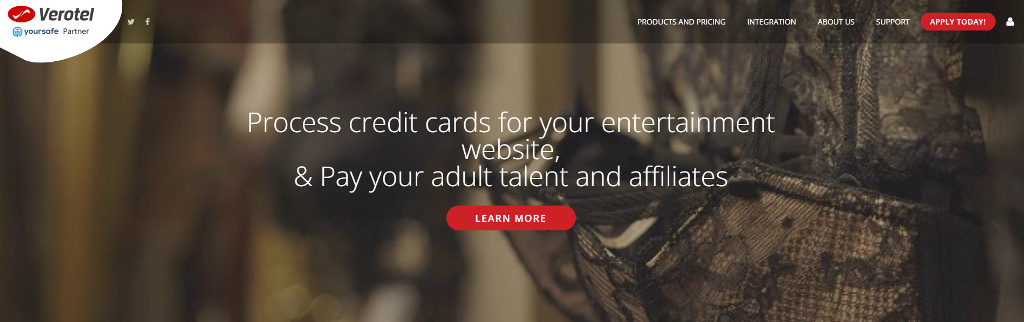
Mainstream providers rarely stay in this space for long. At some point, policy limits, chargeback thresholds, or content rules get in the way. That’s why platforms working with adult payment processors usually move toward providers built specifically for higher-risk environments.
Here are a few commonly used options:
- Verotel → focused on digital content platforms with strong support for subscriptions and recurring billing
- Truevo → works with high-risk merchants and offers broader international coverage
- CCBill → long-standing provider in the adult industry, known for handling subscription-heavy platforms
- Segpay → emphasizes compliance, fraud prevention, and chargeback management tools
These providers exist because the risk profile in this space is different by default. The goal isn’t to find the most popular name, but the one that matches how your platform operates and scales.
Crypto as a Backup or Primary Rail

Crypto usually comes into the picture after the first payment issues, not before. Someone gets payouts delayed, a processor starts asking questions, and suddenly having a second rail doesn’t sound like a bad idea. When you’re already dealing with adult payment processors, this becomes part of normal planning.
Here’s why people add it:
- no chargebacks at all, which removes a big source of disputes
- nobody can just “turn it off” the way a processor can
- payments work across countries without extra approvals
And here’s where it gets tricky:
- not everyone knows how to pay this way, so conversion drops
- prices move, so what you receive today may not match tomorrow
- some users simply don’t trust it or don’t want to deal with wallets
So in practice, most platforms don’t flip a switch and go all-in. Crypto sits next to card payments. If one side slows down, the other keeps things moving. That’s the real role it plays.
Questions to Ask Any Payment Provider

At some point, it stops being about theory and turns into a conversation with a real provider. That’s where most mistakes happen. The answers you get early will tell you how the relationship will work later, especially when choosing an adult payment processor.
Start with the obvious one. Do they actually support adult platforms, or are they just “okay with it for now”? There’s a difference, and it shows up under pressure. Then look at chargebacks. Not just what they say is acceptable, but what happens when you get close to that limit.
Reserves are another area people underestimate. Ask how much they hold, for how long, and whether that percentage can change. The same goes for payouts. Weekly, bi-weekly, delayed — it all affects how you manage cash.
Finally, ask what happens when your numbers change. Growth sounds good, but from their side it can trigger reviews. A clear answer here is often more valuable than any pricing detail.
Create an Adult Creator Platform with Flexible Payments Using Scrile Connect

At some point, adding another provider stops solving the problem. The limitation isn’t just who processes payments, but how the platform is built around them. Scrile Connect is not an adult payment processor. It’s the layer that lets you connect and manage them on your own terms.
Instead of depending on a single setup, you control how payments are handled:
- white-label platform under your brand
- multiple gateways in one system (cards and crypto)
- subscriptions, tips, PPV, and custom monetization flows
- flexible payment processing: connect Stripe, PayPal, CCBill, Netbilling, PayId19, or custom gateways
- moderation tools that support compliance and reduce disputes
- age verification support built into user flows
- admin dashboard for payouts, tracking, and control
- scalable structure that grows with transaction volume
This approach doesn’t remove risk. It gives you room to manage it. When one payment route changes, you’re not rebuilding the platform from scratch.
What Payment Setup Actually Works for Adult Platforms
By this point, the pattern is clear. Problems don’t come from one payment method. They come from relying on a single point of failure. After looking at how adult payment processors behave in real conditions, the question is no longer “which one is best,” but how the system is structured.
Here’s how setups tend to work in practice:
| Situation | What You Actually Need | Why It Holds |
| Small platform testing monetization | One mainstream processor + backup ready | Fast start, but prepared for disruption |
| Growing adult platform with subscriptions | High-risk provider + secondary fallback | Handles recurring billing and higher dispute rates |
| Adult platform with unstable payment history | Specialized processor + crypto rail | Keeps revenue flowing during reviews or restrictions |
| Platform scaling internationally | Multi-provider routing by region | Reduces dependence on one banking network |
What matters here isn’t the provider itself. It’s how many paths your payments can take when something changes.
At this stage, platforms that survive are the ones that treat payments as infrastructure. They don’t wait for a shutdown to rethink setup. They already have alternatives in place.
Conclusion
Payment risk sits at the center of any adult platform, whether it’s planned for or not. Revenue can look stable on the surface and still be exposed underneath. Platforms that keep control over how payments are handled tend to stay operational longer. Those that rely on a single provider eventually run into limits.
The difference comes down to structure. Multiple gateways, fallback options, and clear control over payouts change how the platform reacts under pressure. If you’re building in this space, it’s worth setting this up early.
To move forward with a stable payment setup, contact the Scrile Connect team and discuss how to build a platform with flexible payment infrastructure.
FAQ
What are the risks of payment processing?
Payment processing risks include fraud, chargebacks, data breaches, delayed payouts, and compliance failures. For adult platforms, the biggest danger is losing access to payments after a processor review or policy change.
Is creating a payment gateway platform good for a business?
A payment gateway setup can be valuable if your business needs control over transactions, fraud tools, tokenization, and fast payments. For adult platforms, flexible payment infrastructure is especially useful because it reduces dependence on one provider.
What is a high risk payment processor?
A high risk payment processor works with businesses that banks consider more exposed to chargebacks, fraud, regulation, or reputational risk. Adult content platforms often fall into this category because of recurring billing, global users, and strict content rules.
How do adult platforms avoid payment bans?
They reduce risk through clear billing, age verification, moderation, refund policies, and strong chargeback control. Many also use several payment providers instead of relying on one account.
Can crypto replace payment processors?
Crypto can support payments, but it usually works better as a backup or additional rail. It removes chargebacks, but user experience, volatility, and trust issues make full replacement difficult.
Why do payment processors block adult content?
Processors block adult content because of higher dispute rates, card network rules, compliance pressure, and reputational concerns. Even legal content can trigger review if documentation or moderation is weak.
How many payment providers should a platform use?
A serious adult platform should avoid depending on one provider. Two or more payment routes give better resilience if one gateway fails, pauses payouts, or changes policy.
What is a rolling reserve and how does it work?
A rolling reserve is a percentage of revenue held by the processor for a set period. For example, 10% of monthly payments may be locked for months to cover possible chargebacks or refunds.

